
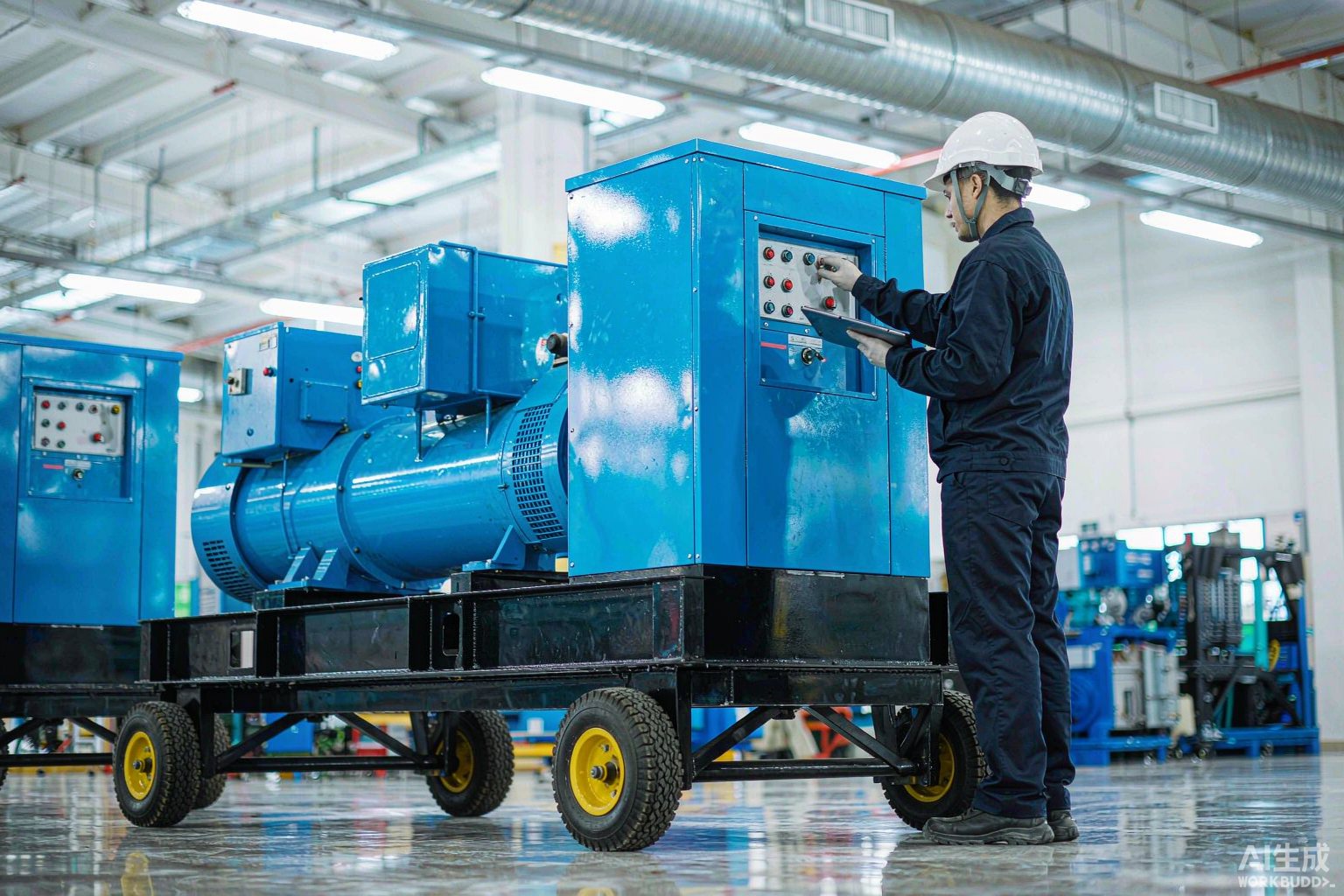
What a Four-Point Load Test Proves Before Shipping
Starting a set and watching the voltage settle proves almost nothing. Here is what a 25 / 50 / 75 / 100 % load test actually measures, and which faults only appear under load.
N+1 is not simply one spare generator in the yard. Understanding what the notation actually covers decides whether your facility survives a single failure.
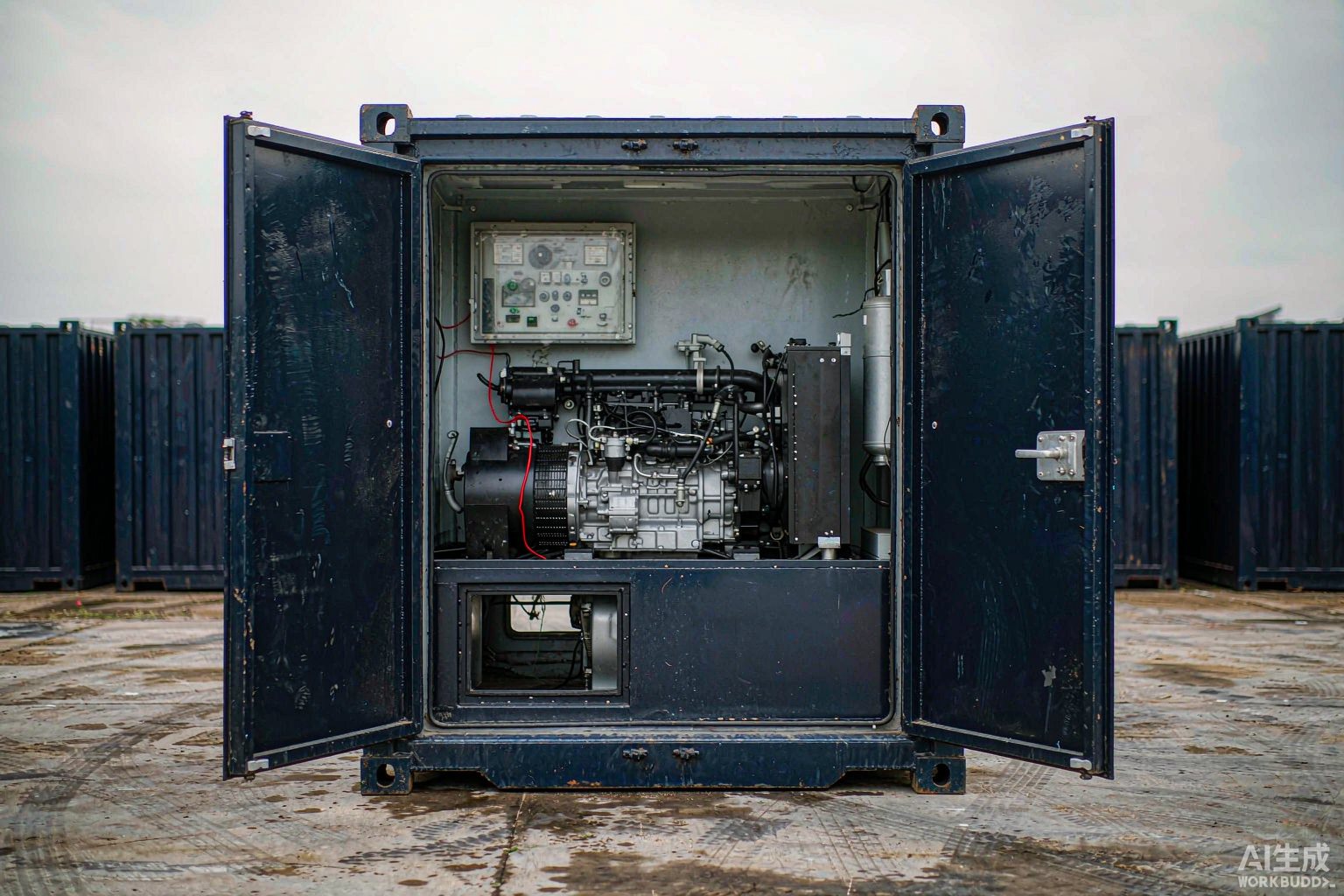
Every data-centre specification eventually contains the phrase "N+1". It is used to mean at least three different things in practice, and the difference shows up on the worst day of the year. Here is what the notation really describes, and how it translates into generator capacity.
N is the capacity needed to carry the design load. If the IT load plus mechanical cooling and losses comes to 2.4 MW, then N is 2.4 MW of generation. Everything else is arithmetic on top of that number.
N+1 adds one redundant unit of the same size as the largest installed module. Four 600 kW sets carrying 2.4 MW is N; five is N+1, because any single set can fail and the remaining four still carry the load.
N+2 adds two. It covers two simultaneous failures, or a failure during maintenance when a unit is already out of service — which is the more realistic scenario.
| Configuration | Installed capacity | Survives | Typical use |
|---|---|---|---|
| N | 2.4 MW | no generator failure | non-critical or cost-driven sites |
| N+1 | 3.0 MW | one unit down, or one unit on maintenance | most colocation and enterprise halls |
| N+2 | 3.6 MW | two units down, or one down during maintenance | tier IV / financial / hyperscale |
Redundancy is only real if the surviving units can share what is left. That requires a paralleling system, load-sharing governors, and a bus arrangement that can isolate a failed unit without dropping the load. It also requires that the sets were commissioned together: four machines that have never run in parallel do not become a paralleled plant on demand.
A site with N+2 generation and eight hours of fuel is an eight-hour site. Autonomy is usually specified separately — 24, 48 or 72 hours — and it interacts with the generator count: more sets running means more litres per hour, so the tank that was adequate for N may not be for N+2 under continuous duty. Fuel polishing and a tested refuelling contract matter as much as the extra set.
Redundancy that is never exercised degrades into a set of machines with unknown condition. A workable regime is:
For a redundant plant, the specification of each set matters less than the specification of the system. Identical models, identical controllers, matched alternators, a defined neutral arrangement and a paralleling scheme that has been tested as a system. Cunmi supplies containerised packages for campus projects with paralleling controllers, remote monitoring and load-bank-tested units, and we prefer to see the single-line diagram before quoting — because redundancy is a system property, not a set property.
No. 2N duplicates the entire capacity — two independent plants, each able to carry the full load. It is far more expensive and is normally reserved for the most critical facilities. N+1 is one extra module, not a complete second plant.
Mechanically yes, but the switchgear, busbar and control system must have been designed for it. Retrofitting paralleling into a plant built for single-set operation is often more expensive than doing it at the start.
It should. A single fuel line, a single transfer pump or a single day tank is a single point of failure that undoes the generator redundancy.
Starting a set and watching the voltage settle proves almost nothing. Here is what a 25 / 50 / 75 / 100 % load test actually measures, and which faults only appear under load.
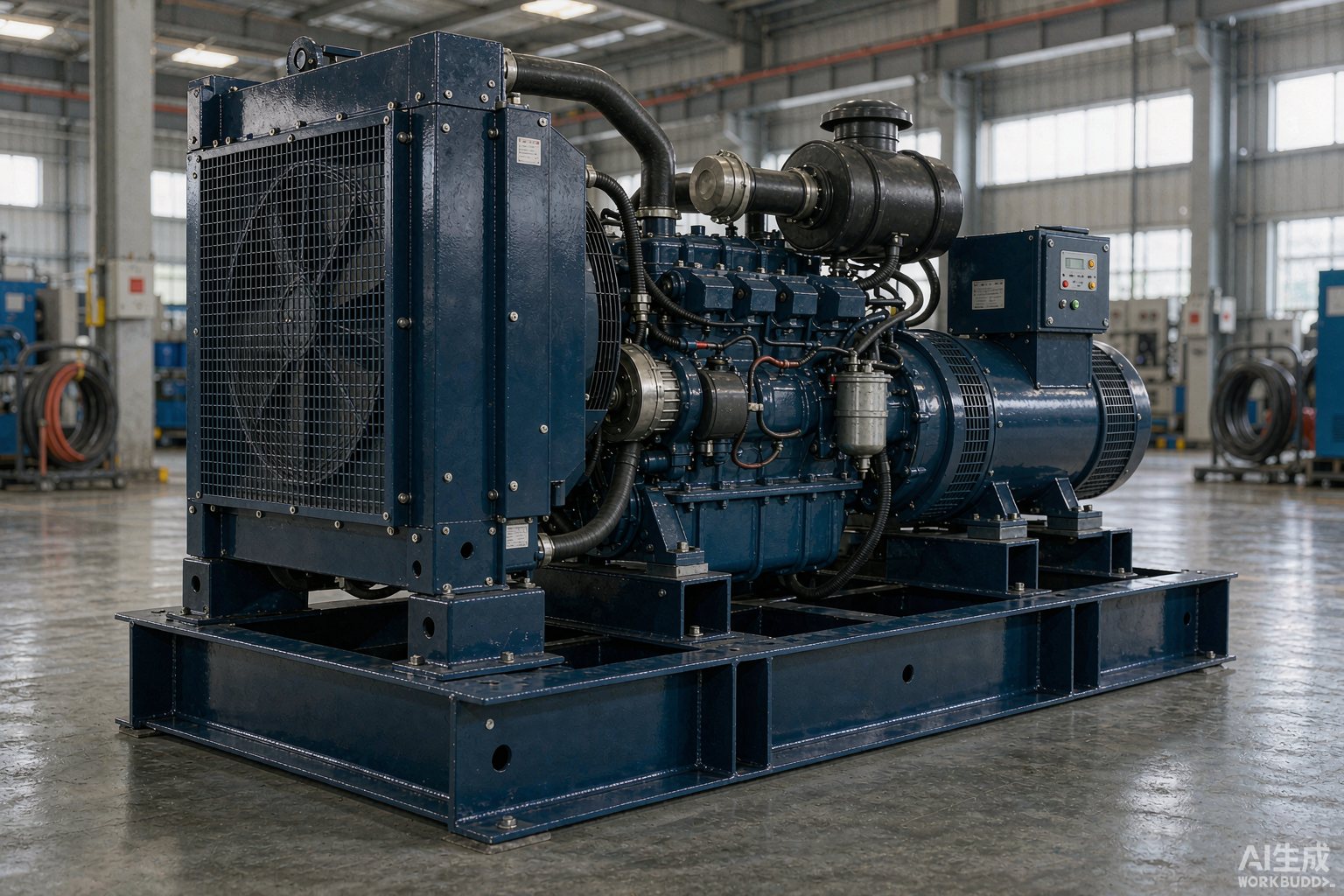
The same engine can be sold at three different ratings. Picking the wrong one either wastes capital or shortens engine life — and the difference is measured in hours per year.
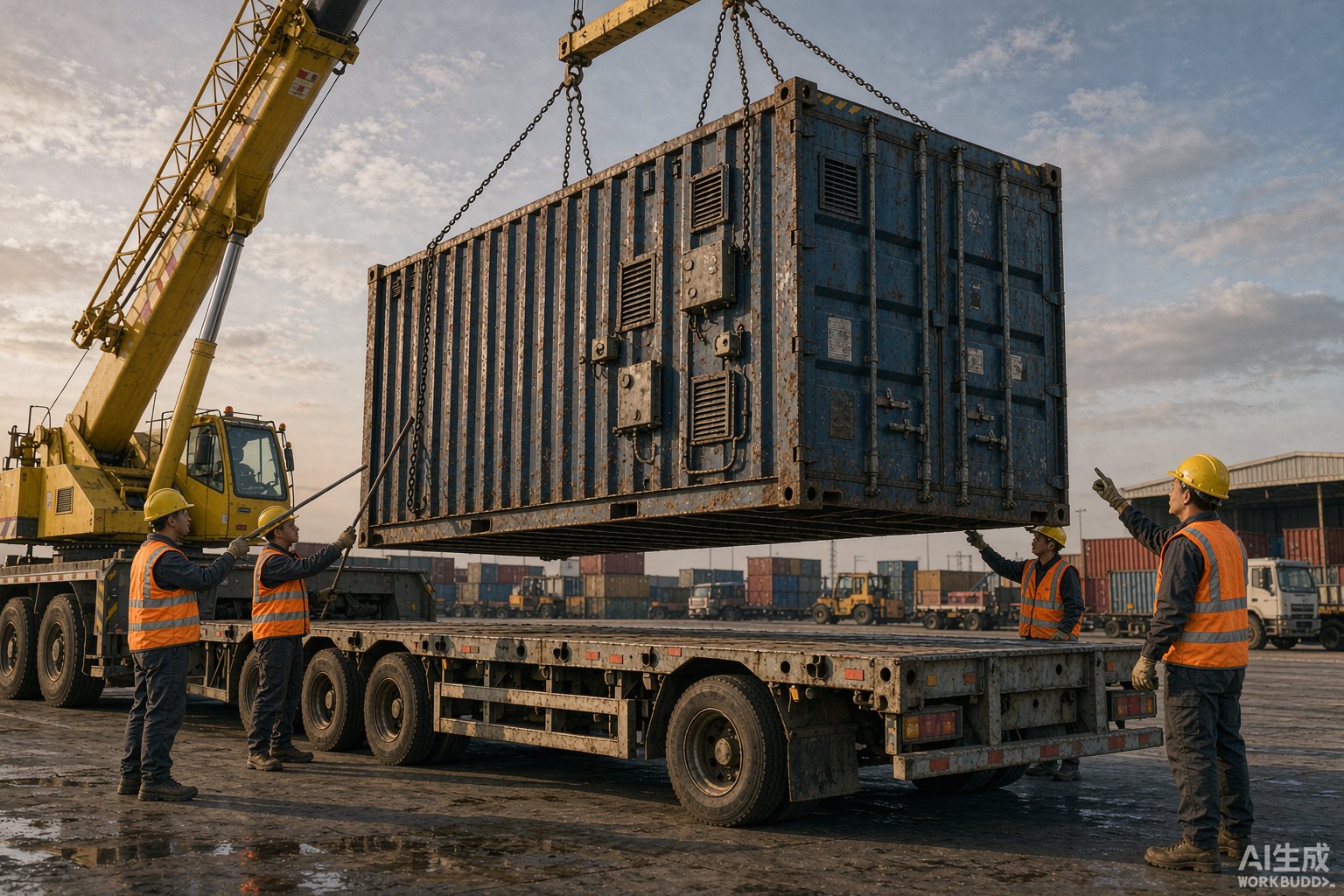
Buying the next size up feels safe. In practice it moves cost from the capital budget into fuel, maintenance and premature engine wear — and it rarely improves reliability.
Send the load schedule, site conditions and destination port. We answer technical questions directly, usually within one business day.