
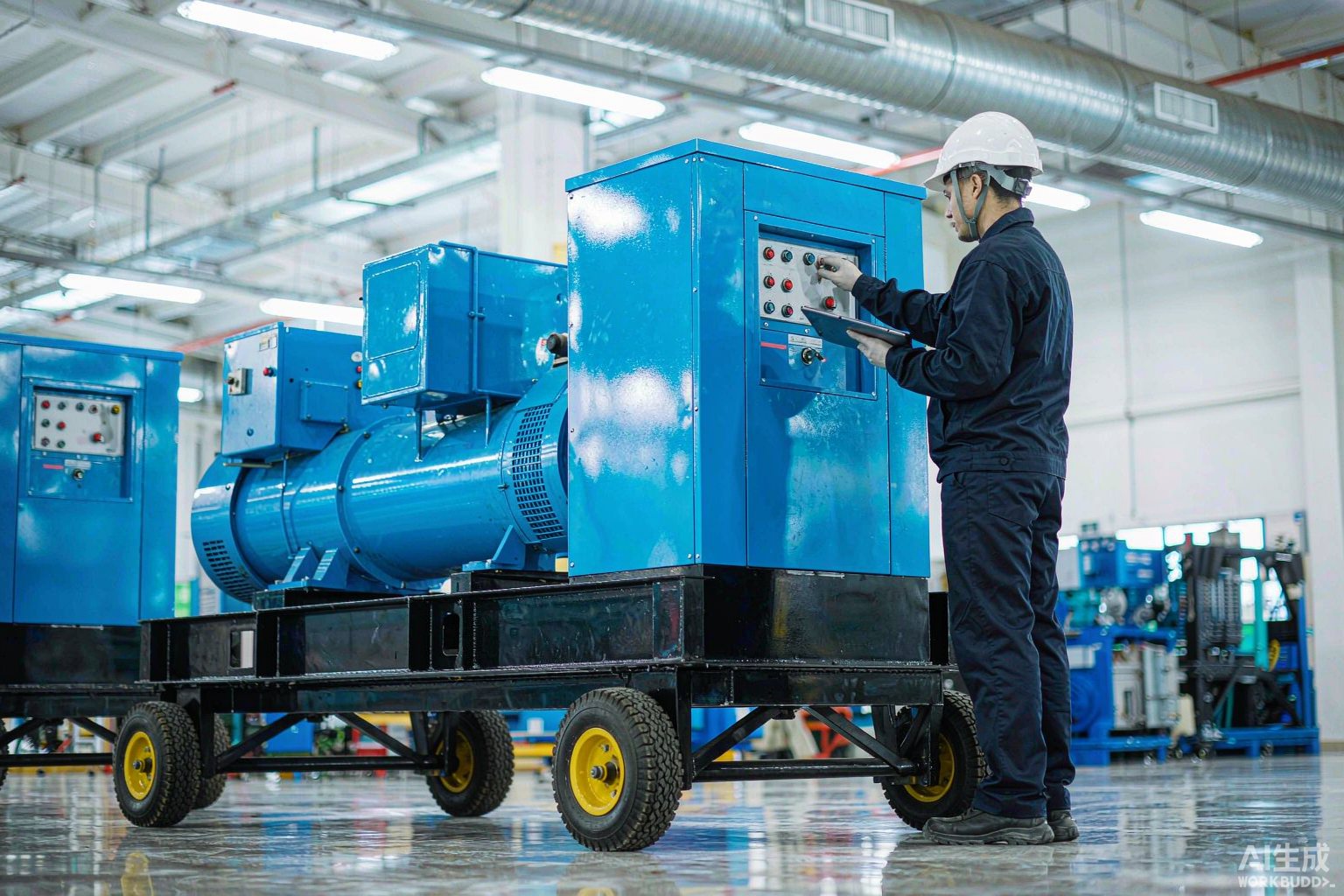
What a Four-Point Load Test Proves Before Shipping
Starting a set and watching the voltage settle proves almost nothing. Here is what a 25 / 50 / 75 / 100 % load test actually measures, and which faults only appear under load.
Buying the next size up feels safe. In practice it moves cost from the capital budget into fuel, maintenance and premature engine wear — and it rarely improves reliability.
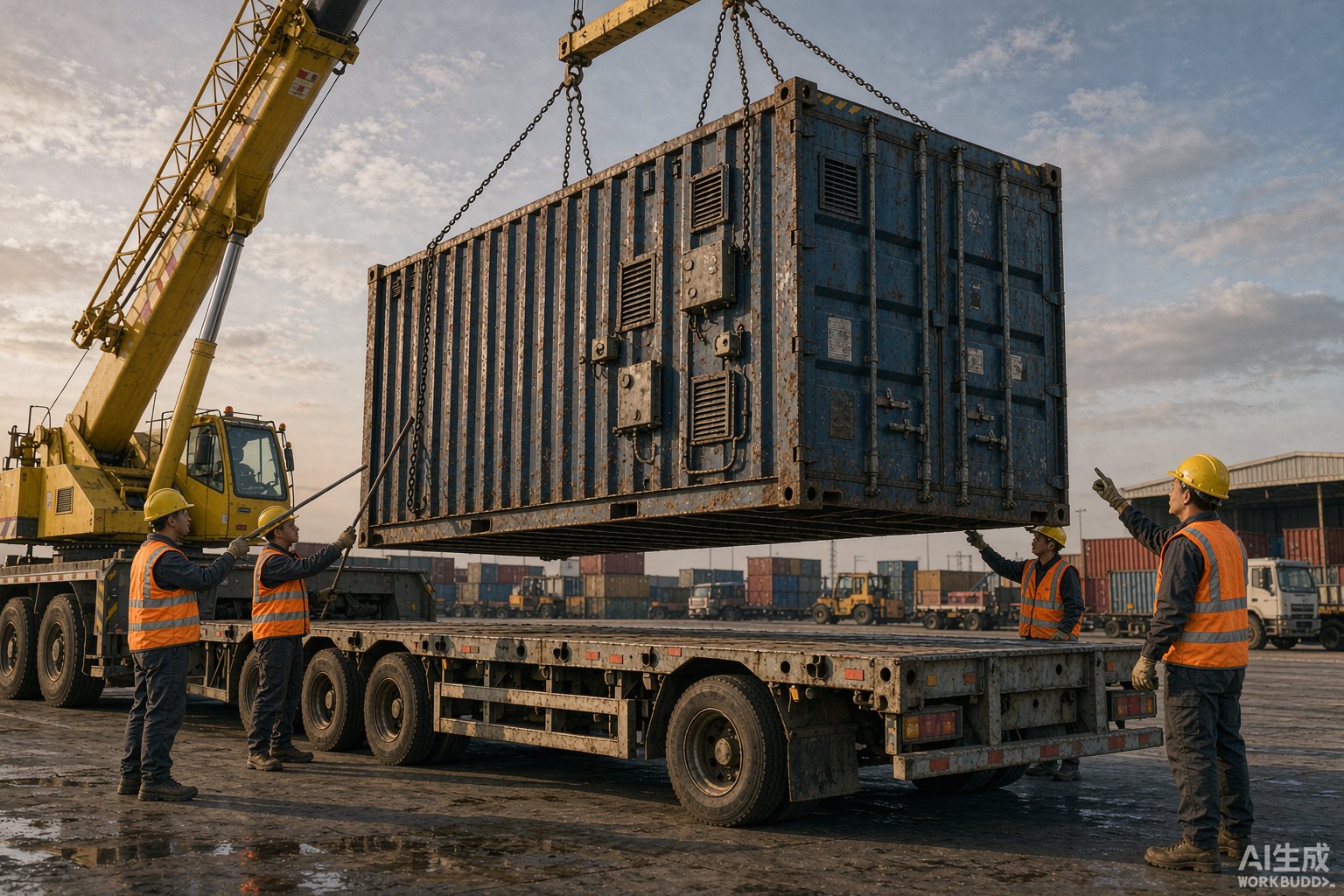
"Add 30 % for safety" is the most common instruction we receive with a load list, and the most expensive one. A generator that is 40 % larger than the load does not run more reliably than a correctly sized one. It runs colder, dirtier, and for more of its life at a load it was not designed to hold.
The obvious cost is the set itself: a step up in rating usually means a bigger engine, a bigger alternator, a larger radiator and a heavier base frame. That step propagates through everything attached to it — a larger canopy, a bigger crane lift, a heavier foundation, larger cables, a larger breaker, and often a larger fuel tank to match the consumption that comes with the bigger engine. In export projects the freight bill moves too, because the package is heavier and occupies more volume.
Lightly loaded diesel engines behave badly. Below roughly 30–40 % load, combustion temperature falls far enough that the engine no longer burns off the deposits it produces. The visible result is wet stacking: unburnt fuel and oil residue accumulating in the exhaust, on the turbo and around the valves. The invisible results are glazed cylinder bores, degraded oil, and a set that starts smoking under load after a year of light duty.
On Stage V engines the penalty is sharper still. A diesel particulate filter needs exhaust temperature to regenerate. A set that spends its life at 25 % load may never reach that temperature, and the filter loads with soot until it derates or blocks.
Sizing is arithmetic, not instinct. The inputs that matter are:
The rating is then chosen so that normal operation sits between 60 % and 85 % of prime rating, and the largest step still falls inside the set's acceptance capability. That is the whole method. If the result lands awkwardly between two sizes, a smaller set with a soft starter is often cheaper than the larger set alone.
| Average load | What happens | Recommendation |
|---|---|---|
| under 30 % | Wet stacking, poor combustion, DPF soot loading | Re-size down, or add load bank exercise |
| 30–60 % | Acceptable for standby, inefficient for prime | Fine for short outages; review for continuous duty |
| 60–85 % | Best fuel efficiency and combustion quality | Target band for most installations |
| over 90 % continuously | No margin for overload or growth, high thermal stress | Step up one size or split the load |
Oversizing is not always wrong. Three cases earn the extra cost: a planned expansion within two years with known loads; a step load whose starting current cannot be reduced; and a site where ambient temperature or altitude will consume part of the rating. In each case the reason is specific and measurable. "Safety margin" is not.
Yes, usually. A bigger engine has more friction, a larger cooling fan and a higher idle consumption. At 30 % load the difference between a correctly sized set and one size up can be several litres per hour, which compounds over a year of prime duty.
For a standby set that runs twenty hours a year, the consequences are minor. For a prime set running thousands of hours, they are not — the engine will smoke, the oil will degrade faster, and aftertreatment components will suffer.
As a working rule, keep continuous operation above 40 % of prime rating and avoid long periods below 30 %. Where the load is genuinely small, a smaller set plus a load bank is a better design than a large set idling.
Starting a set and watching the voltage settle proves almost nothing. Here is what a 25 / 50 / 75 / 100 % load test actually measures, and which faults only appear under load.
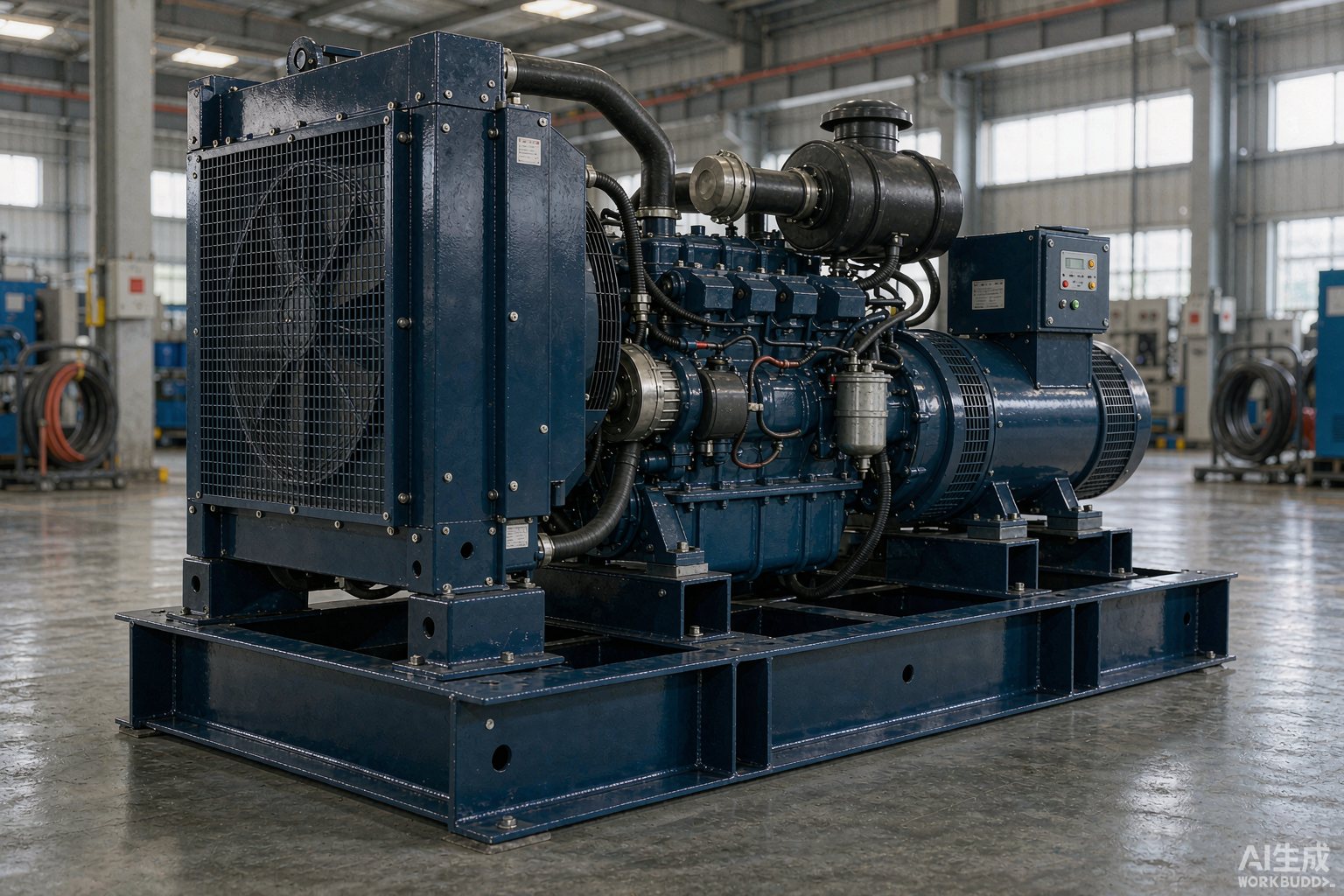
The same engine can be sold at three different ratings. Picking the wrong one either wastes capital or shortens engine life — and the difference is measured in hours per year.
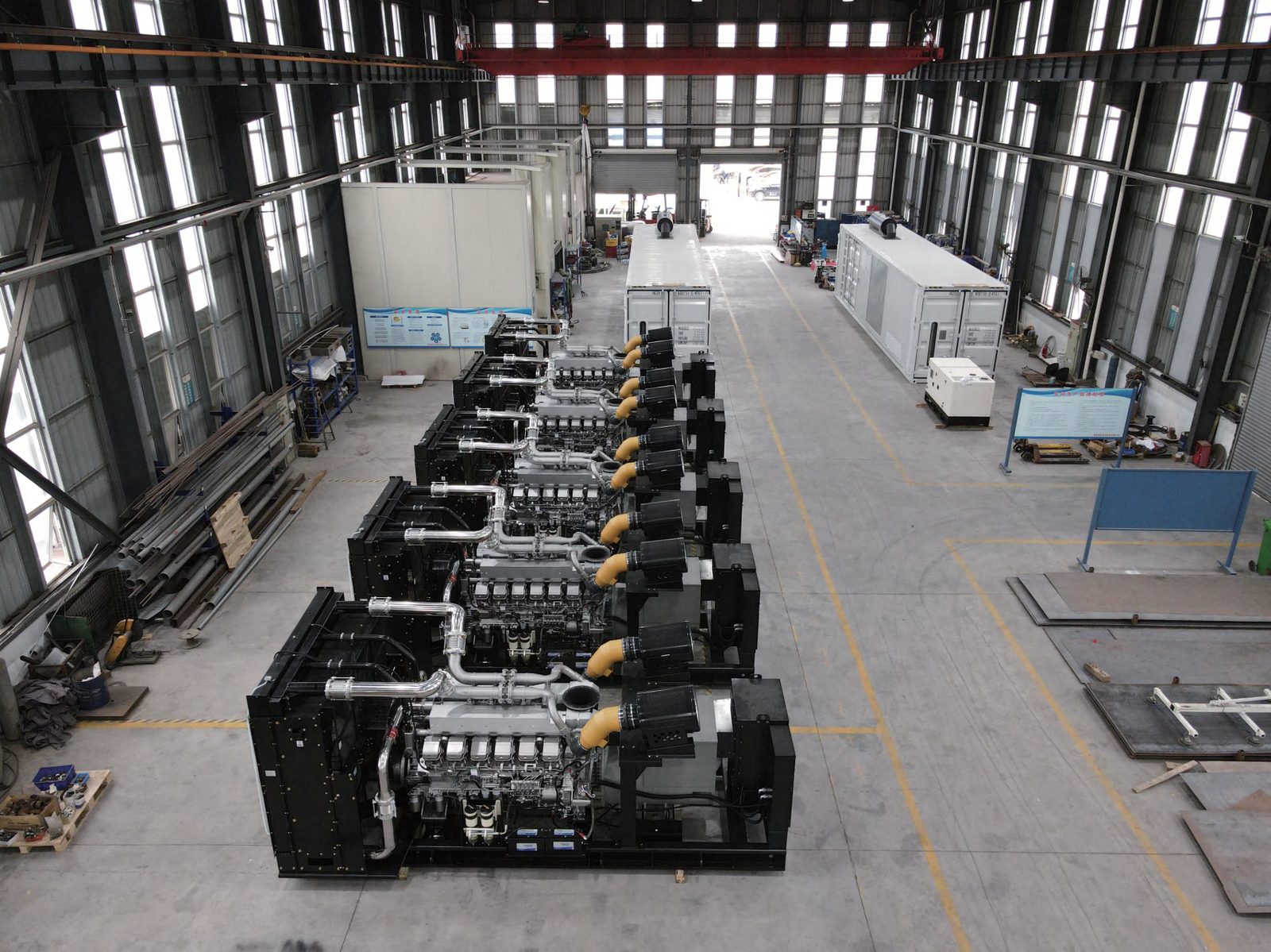
Low-load running looks gentle on the machine. In reality it is one of the fastest ways to glaze bores, load a DPF with soot and double your maintenance bill.
Send the load schedule, site conditions and destination port. We answer technical questions directly, usually within one business day.