
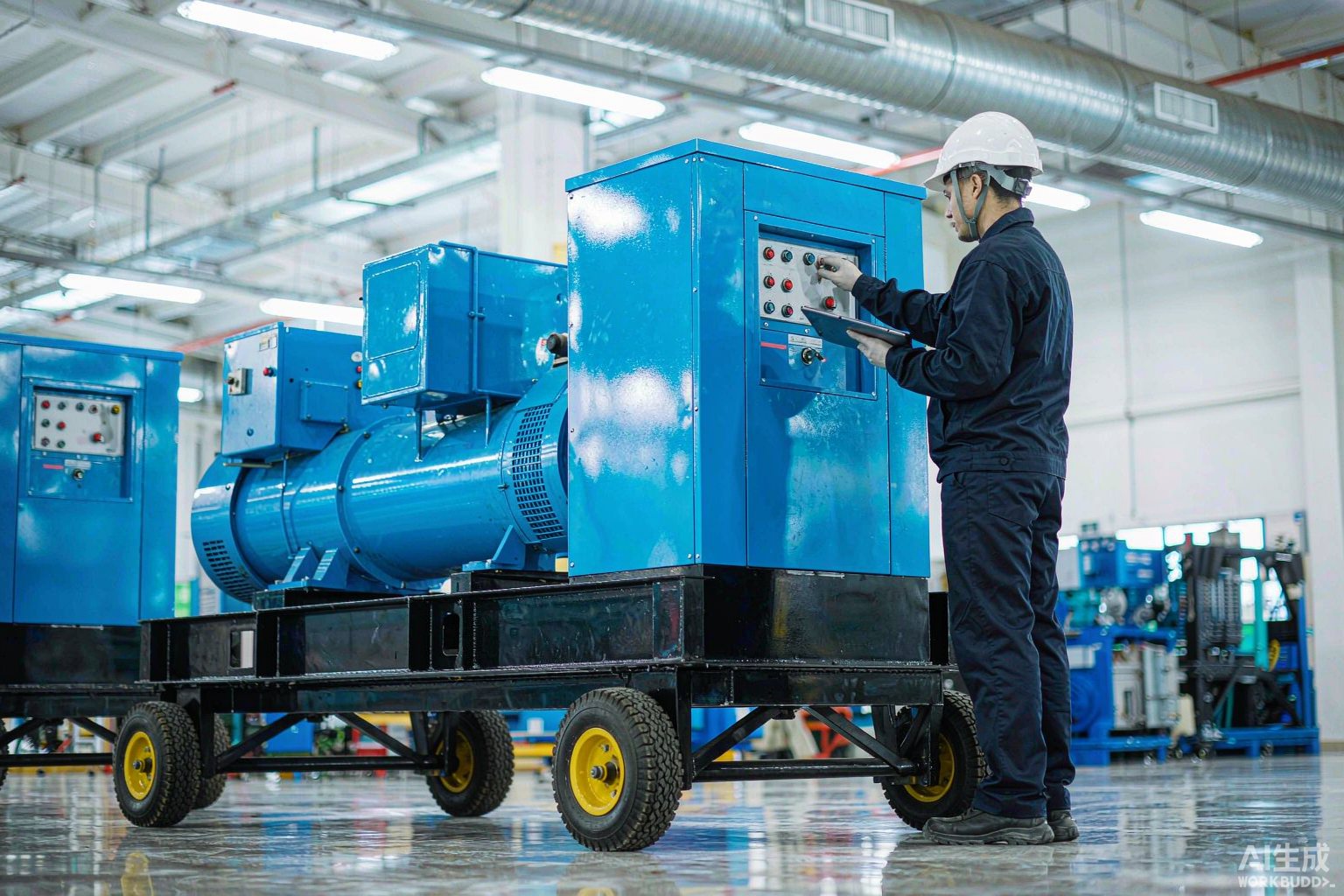
What a Four-Point Load Test Proves Before Shipping
Starting a set and watching the voltage settle proves almost nothing. Here is what a 25 / 50 / 75 / 100 % load test actually measures, and which faults only appear under load.
Emission standards decide what engine you can register, what fuel you must burn and what maintenance you inherit. A practical guide to the tiers still on the market.
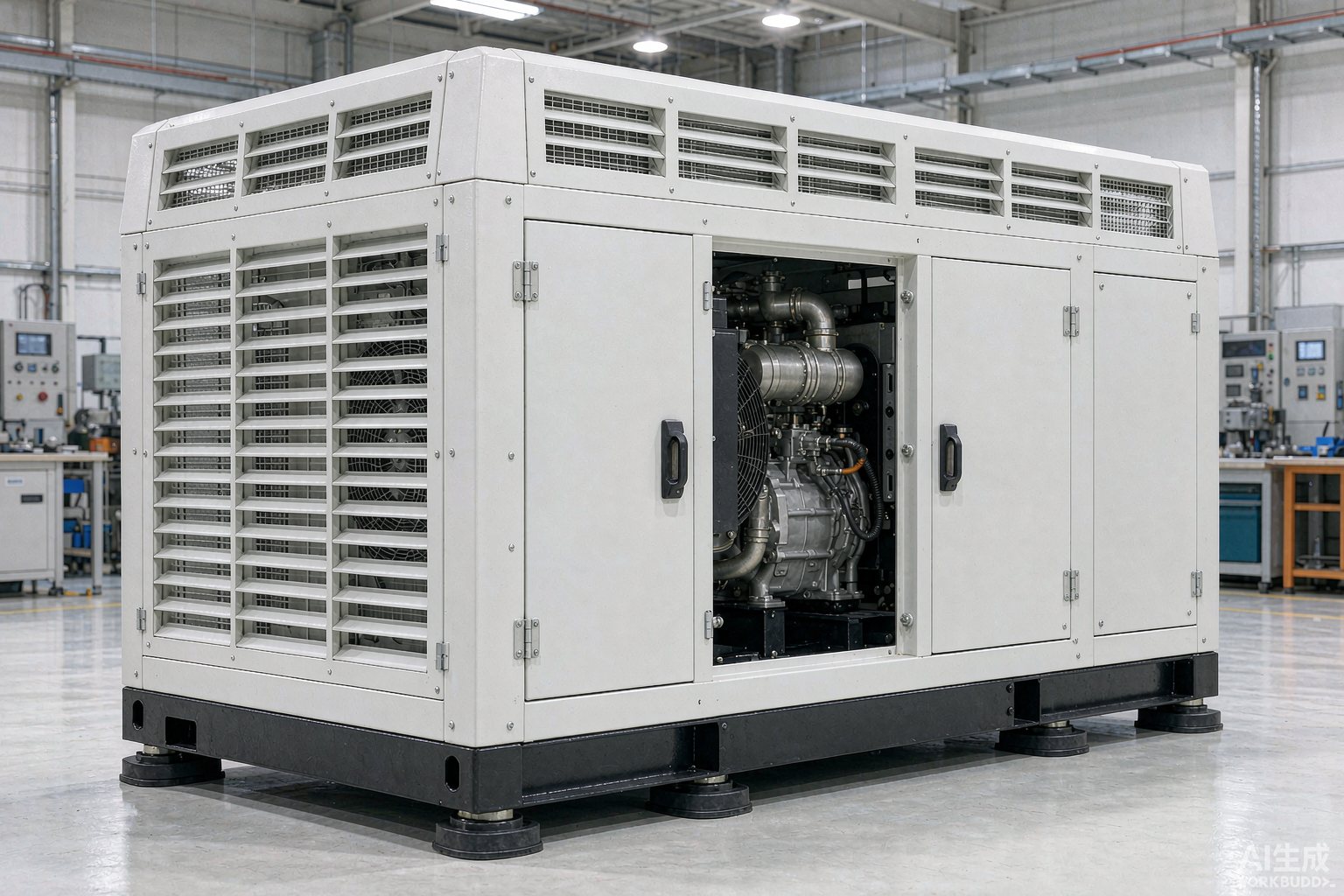
An engine that is legal in Lagos may be unsellable in Rotterdam, and the same generator model can exist in three emission variants with different maintenance burdens. Choosing a tier is a commercial decision as much as an environmental one.
Emission standards limit nitrogen oxides (NOx), particulate matter (PM) and hydrocarbons. The technology needed to meet them escalates quickly.
| Tier | Typical aftertreatment | Fuel sulphur | Where it is the norm |
|---|---|---|---|
| Stage II / Tier 2 | none, mechanical or simple electronic engine | higher sulphur tolerated | legacy fleets, some developing markets |
| Stage IIIA / Tier 3 | none or oxidation catalyst | moderate | many non-road markets, standby only |
| Stage V / Tier 4F | DOC + DPF, often SCR with urea (AdBlue) | ultra-low sulphur (<15 ppm) | EU, UK, and increasingly other regulated markets |
Each step adds hardware, sensors and a control strategy. Stage V is not merely a cleaner version of Tier 3 — it is a different machine, with a regeneration cycle, a reagent tank to keep filled and a diagnostic system that will derate the engine if the aftertreatment is not maintained.
Emission compliance is tied to the place of use, not the place of manufacture. A set built in China to Stage V can be sold into the EU; a Tier 3 set cannot. If a project is funded by an international lender or specified to a European standard, the engine tier is usually written into the contract before the generator is even discussed.
The reverse also applies. Sending a Stage V set to a market where ultra-low-sulphur diesel is not reliably available creates a maintenance problem: the DPF and SCR are designed around fuel quality and reagent supply that the site may not have.
Start from three questions. Where will the set be installed and registered? What fuel quality can be guaranteed at that site? Who will maintain it, and do they have Stage V experience? The answers usually settle the tier without debate. Where a project genuinely spans markets, we quote the compatible variant for each destination rather than forcing one engine everywhere.
No. Removing or bypassing aftertreatment makes the machine non-compliant and, on most modern engines, puts it into derate or shutdown. It also voids the manufacturer's certification.
Not in the EU. Stage V applies to non-road engines including generator sets, with limited transition provisions. Some markets have separate standby exemptions; they must be checked individually.
Not reliably. Modern aftertreatment adds backpressure and, during regeneration, fuel demand. The fuel saving from a Stage V engine is usually a function of the engine platform, not the emission system.
Starting a set and watching the voltage settle proves almost nothing. Here is what a 25 / 50 / 75 / 100 % load test actually measures, and which faults only appear under load.
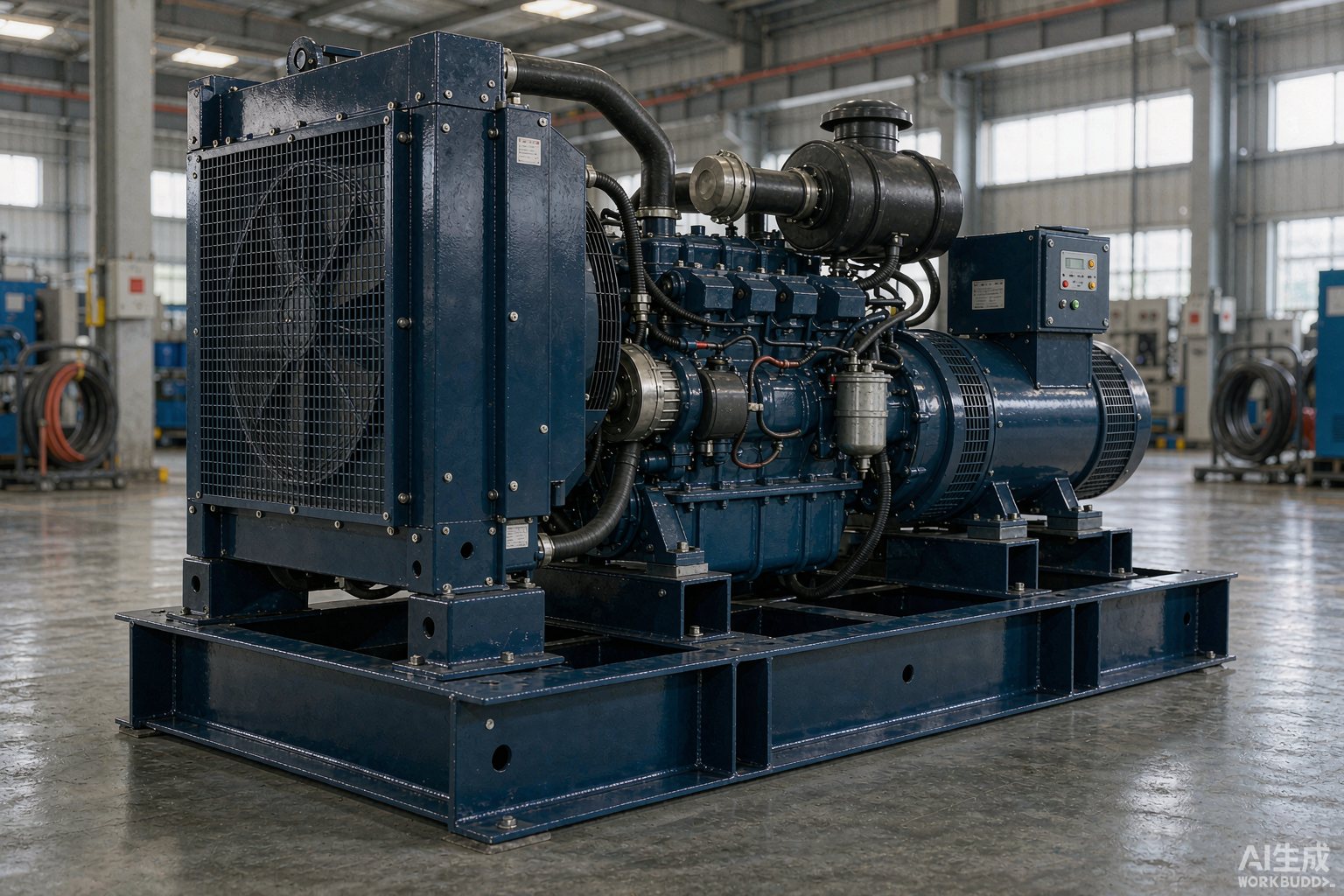
The same engine can be sold at three different ratings. Picking the wrong one either wastes capital or shortens engine life — and the difference is measured in hours per year.
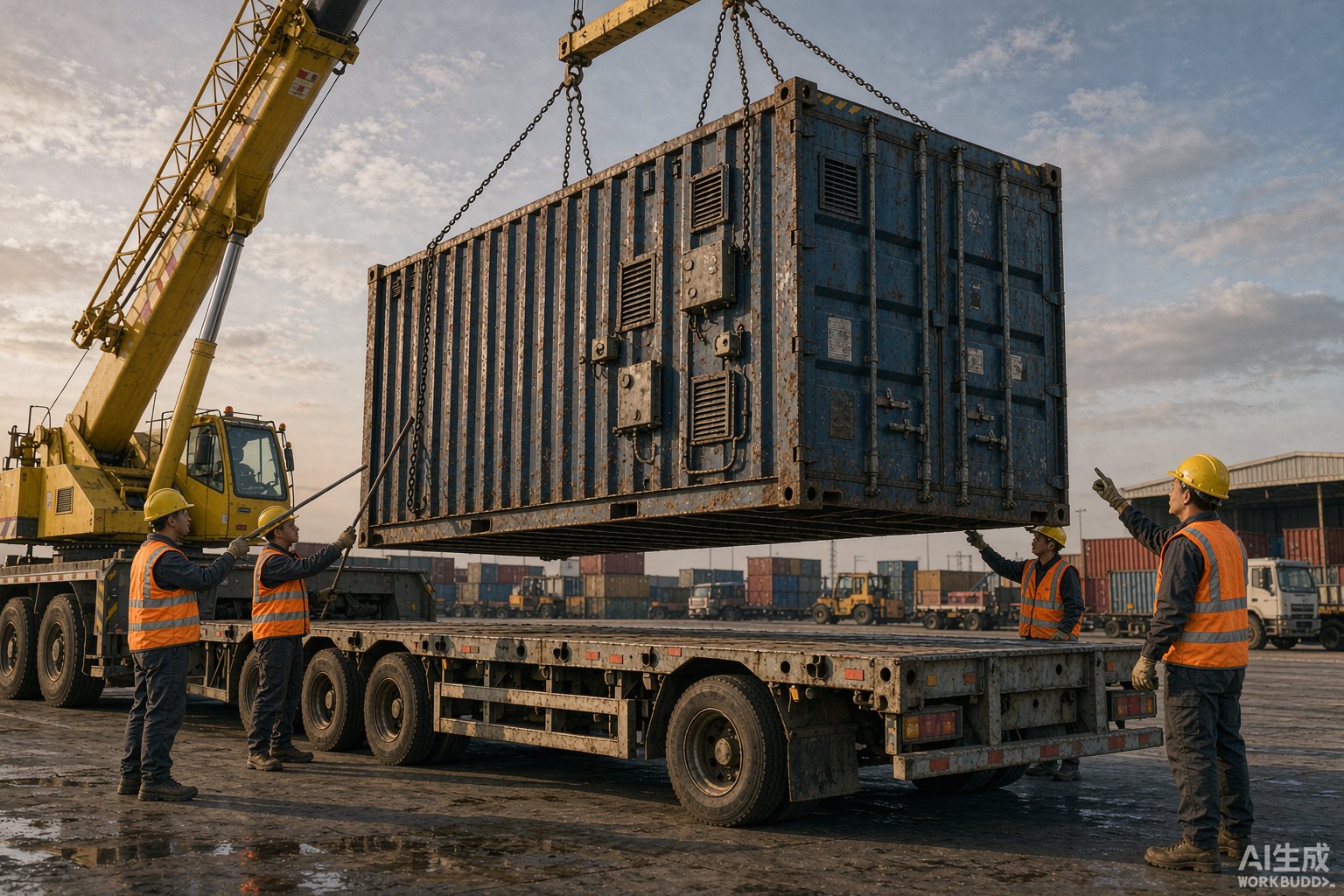
Buying the next size up feels safe. In practice it moves cost from the capital budget into fuel, maintenance and premature engine wear — and it rarely improves reliability.
Send the load schedule, site conditions and destination port. We answer technical questions directly, usually within one business day.